Wall Ball: How RLCS 2025 Offenses Are Turning the Backboard Into Their Most Dangerous Teammate
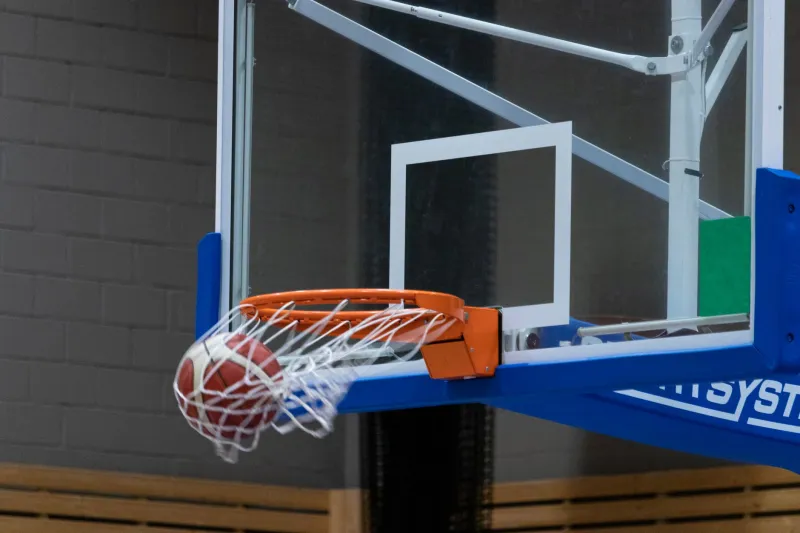
Passing plays used to be the ceiling of Rocket League team offense. Two players, coordinated timing, one sets up, one finishes. At the RLCS level in 2023 and 2024, that was still a legitimate primary attack structure. In 2025, it's getting dismantled before it develops — defenders have gotten fast enough and coordinated enough that traditional pass setups are being read almost as soon as they're initiated.
So the best offensive teams in the world found a different second attacker. One that doesn't need communication, can't be marked, and delivers the ball at angles human defenders genuinely struggle to process in real time. That attacker is the backboard.
Backboard-rebound offense isn't new in concept — pros have used it situationally for years. What's new in 2025 is the deliberate, designed integration of backboard physics into primary offensive sequences. Teams aren't stumbling into these opportunities. They're engineering them.
Why the Backboard Works as an Offensive Tool
The backboard creates a specific defensive nightmare: it introduces a second delivery angle that the defending team has to account for without any human tell. When a player passes to a teammate, there's body language, rotation cues, and positioning signals that a good defender can read. The backboard has none of those. It's physics — and physics doesn't telegraph.
When an attacker drives a ball into the backboard at the right angle and speed, the rebound comes off at a trajectory that requires the defender to completely reorient their positioning relative to where they were tracking the initial drive. That reorientation — even if it only takes 0.4 seconds — is frequently enough time for a second attacker arriving at the right angle to get a clean one-touch shot off before the goalkeeper can reset.
The key word is designed. Random backboard shots happen all the time at every rank. What makes RLCS-level backboard offense different is that the first attacker is placing the ball onto the wall at a specific angle and height to produce a specific rebound trajectory — one that their teammate is already moving to meet.
The Physics Behind the Sequence
Let's break down what actually makes a backboard rebound dangerous versus just chaotic.
Angle of approach matters most. A ball driven into the backboard at roughly 45 degrees to the wall surface will rebound at an approximately mirrored angle — predictable enough for a teammate to time, unpredictable enough for a defender who's been watching the initial approach. Balls driven more perpendicularly to the wall rebound back toward the field center, which is harder to finish but creates a different defensive problem.
Height on the backboard changes the rebound arc dramatically. High backboard contact (above the goal frame level) produces a rebound that drops steeply into the goal mouth — ideal for a teammate coming from a higher aerial approach. Mid-backboard contact produces a flatter, faster rebound that stays lower to the ground and is harder to intercept because it crosses the goal line quickly. Low backboard contact is generally less useful for designed offense but can create chaos that a third attacker can exploit.
Approach speed determines rebound velocity. Faster initial drives produce faster, flatter rebounds. Softer drives produce slower, more arcing rebounds that give the finishing attacker more time but also give the goalkeeper more time to recover. The sweet spot in 2025 RLCS offense seems to be medium-pace drives at 45-degree angles targeting mid-to-high backboard — producing a rebound that's fast enough to challenge the goalkeeper but controlled enough for the second attacker to time cleanly.
LAN Breakdown: The Sequences That Changed the Meta
The clearest evidence that backboard offense has gone from situational to structural came during the RLCS 2025 Winter Open in January. Several top-8 teams ran backboard sequences that weren't reactive — they were coming off of set-play-style positioning, with the second attacker already moving to the finishing zone before the ball even hit the wall.
In one sequence from a Karmine Corp match, the setup was almost textbook: first attacker drives the ball along the wall from the right corner toward the backboard, contacts mid-height at roughly 40 degrees, while the second attacker had already begun an aerial approach from the left side of the field timed to meet the rebound in the air above the goal mouth. The goalkeeper had been reading the initial drive and was caught completely out of position for the rebound angle. Goal.
What made it especially notable was the positioning of the third man — already in a covering rotation that would have handled a turnover on the rebound. This wasn't improvised. This was a designed three-player sequence where the backboard was functioning as the pass.
Coaching staff from two RLCS organizations (speaking on background) described the evolution simply: "Passing plays require your teammate to be in the right place at the right time, and defenders have gotten good enough at reading that. The backboard doesn't have timing tells. You can design the geometry and let physics do the communication."
What Defenders Are Doing Wrong
The reason backboard offense is working so well right now is partly that most defensive systems are still primarily organized around player-to-player passing reads. Goalkeepers are watching the attacking players for body language cues about where the ball is going next. Backboard sequences break that read at the source — the ball is going to the wall, not to a player, and the goalkeeper has to recognize that and reset their positioning before the rebound arrives.
The teams getting burned most consistently by this are the ones with goalkeepers who commit to a save position based on the initial drive angle. When that drive hits the backboard instead of going directly on goal, the goalkeeper is already leaning the wrong direction for the rebound trajectory.
The defensive adjustment — which the best teams are starting to implement — is keeping the goalkeeper in a more central, reactive position until the ball has actually left the attacker's control, rather than committing based on the approach angle. Easier said than done at 400km/h.
Building This Into Your Game
For players below RLCS looking to add backboard sequences to their offense, here's the honest prerequisite list:
You need to be able to read your own backboard rebounds consistently. Spend time in free play just driving balls into the backboard at different angles and heights, watching where they come off. Build the mental model of the physics before you try to design plays around it.
Start with the 45-degree mid-height approach. It's the most consistent rebound geometry and the easiest for a teammate to time. Once you've got that dialed, experiment with angle and height variations.
Communicate the intent, not the play. You don't need to call the exact sequence — you need your teammate to know you're going to the backboard so they start moving to the finishing zone. Even a simple "backboard" callout in voice chat is enough to trigger the right teammate positioning.
The backboard has always been part of Rocket League. In 2025, the best teams in the world have made it part of their playbook. That's not a coincidence — it's the natural evolution of an offensive game that's run out of passing patterns defenders haven't already solved.