Mental Reset Mastery: The Hidden 0.2-Second Window That Separates RLCS Elites From Everyone Else
The Invisible Advantage in Plain Sight
Watch any RLCS 2025 match closely, and you'll notice something peculiar about the game's best players. During those chaotic scrambles where the ball bounces between multiple cars, elite pros seem to maintain an almost supernatural composure. While their opponents are frantically mashing buttons and burning boost, players like Vatira and ApparentlyJack appear to find pockets of calm within the storm.
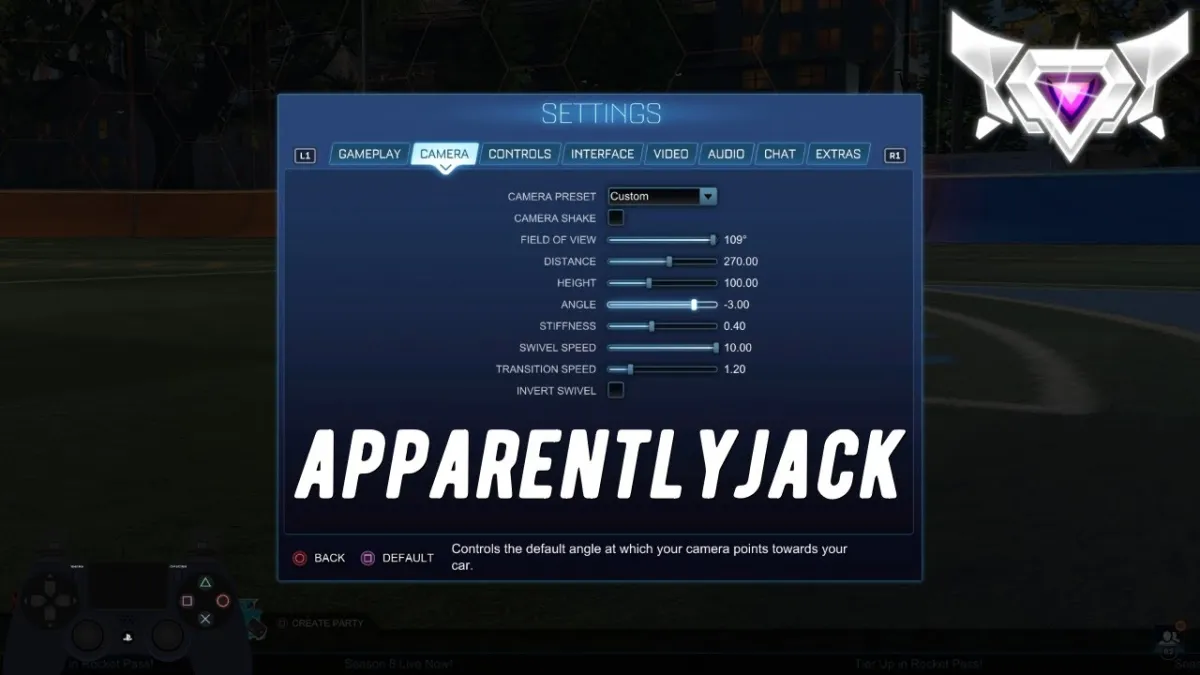 Photo: ApparentlyJack, via i.ytimg.com
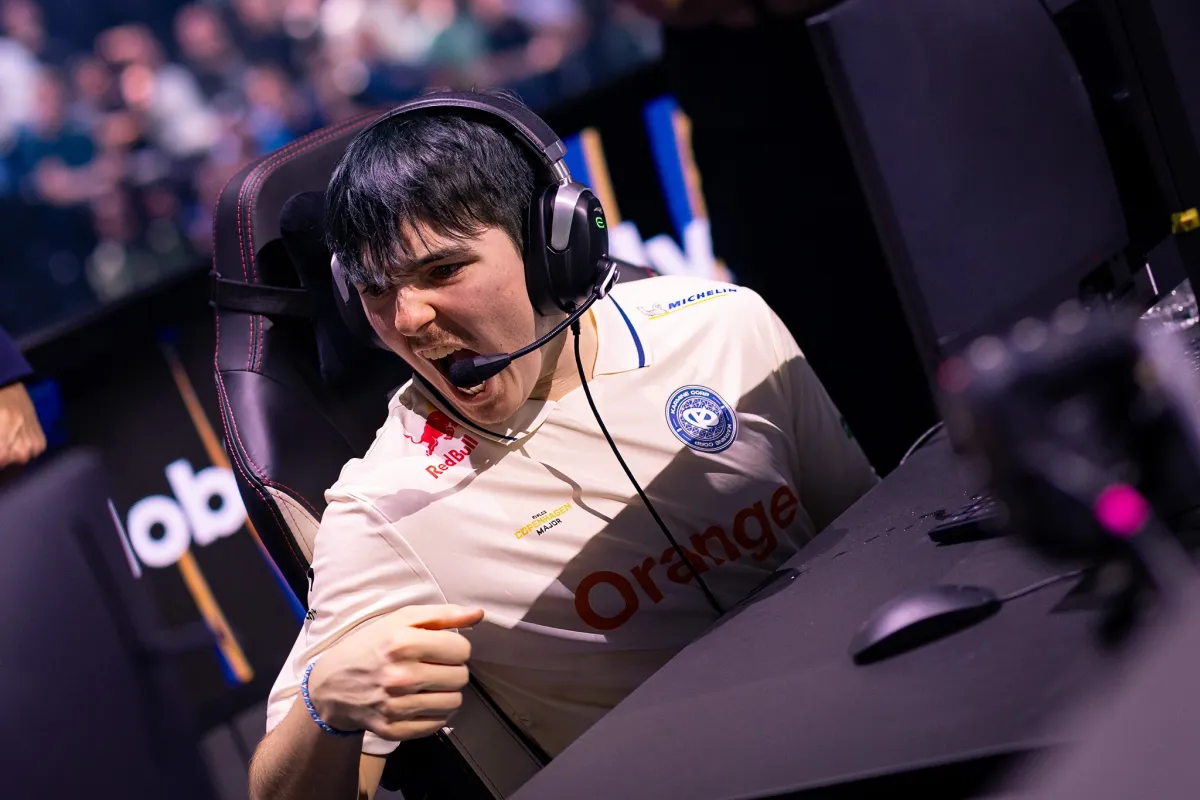 Photo: Vatira, via liquipedia.net
The secret isn't superhuman reflexes or better mechanics—it's their mastery of what we're calling the "deadball advantage." These players have weaponized the split-second pauses between contested touches, turning what most players see as dead time into powerful cognitive reset windows.
Understanding the Micro-Pause Phenomenon
Every Rocket League player experiences these moments, but most treat them as inconvenient delays in the action. When two cars challenge for the same ball and neither gets a clean touch, there's typically a 0.1 to 0.3-second window where the ball hangs in space, seemingly available to either player.
Most Diamond and Champion players use this time to position their car or prepare their next input. RLCS professionals do something entirely different—they reset their mental state.
"The ball doesn't care if you're stressed," explains former pro coach and current analyst Jake "Gibbs" Gibson. "But your decision-making absolutely does. The players who can find calm in those micro-moments consistently make better choices when the ball becomes available again."
The Vatira Method: Breathing Through Ball Battles
Team Vitality's Vatira has become legendary for his composure in 50/50 situations. VOD analysis reveals a consistent pattern in how he approaches contested ball scenarios. During micro-pauses, Vatira performs what coaches call a "tactical exhale"—a brief, controlled breath that resets his nervous system.
"You can actually see it in his shoulder positioning," notes mechanical analyst Sarah Chen. "Right before he commits to a challenge, there's this tiny moment where his posture resets. His shoulders drop maybe half an inch, and then he strikes. It's like he's downloading the entire field state in that fraction of a second."
This isn't meditation—it's tactical psychology. By consciously resetting his stress response during these natural pauses, Vatira maintains the clear thinking necessary for split-second decision-making.
ApparentlyJack's Positional Recalibration
Falcons' ApparentlyJack takes a different approach to the same concept. Instead of focusing on breathing, he uses micro-pauses for what he calls "positional recalibration." During these brief windows, he performs rapid mental calculations about field positioning, boost management, and rotation timing.
"Jack treats every deadball moment like a strategic timeout," explains former teammate and current coach Mike "Torment" Torment. "While other players are focused on the ball, he's updating his mental map of where everyone is and where they're going to be."
This approach has made ApparentlyJack one of the most consistent decision-makers in RLCS 2025, with remarkably low turnover rates in high-pressure situations.
Training the Reset Response
The good news is that this skill can be developed through deliberate practice. Here's a structured approach to building your own deadball advantage:
The Free Play Foundation
Start every free play session with "pause drills." Set up ball control scenarios where you deliberately create micro-pauses—dribble the ball up the wall, let it hang for a moment, then continue. During each pause, practice the reset technique:
- Tactical Exhale: Take one controlled breath
- Posture Check: Consciously relax your grip and shoulders
- Field Scan: Mentally note your position and available options
- Commit: Make your next move with intention
The 1v1 Laboratory
Ranked 1v1s provide the perfect environment for practicing reset skills under pressure. Unlike 3v3s, where rotations can mask poor decision-making, 1v1s force you to own every micro-pause. Focus on contested scenarios where both you and your opponent are challenging for the same ball.
The Team Implementation
Once you've developed the individual skill, practice it in team scenarios. The key is maintaining your reset routine even when teammates are communicating. Many players lose their composure when they hear "I got it!" or "Take the shot!" during a contested moment. Elite players maintain their reset discipline regardless of external inputs.
The Competitive Edge
Data from RLCS 2025 shows that teams with players who excel at deadball situations win approximately 12% more contested possessions than teams without this skill. Over the course of a seven-game series, this translates to roughly 2-3 additional scoring opportunities.
"It's not a flashy skill, but it's incredibly valuable," notes Team BDS coach Marc "Fairy Peak" Palau. "Players who can stay calm in chaos consistently make better decisions. Better decisions lead to better positioning. Better positioning wins games."
Building Your Personal Reset Protocol
The most effective reset protocols are personalized. Some players respond better to breathing techniques, others to mental checklists. Experiment with different approaches during free play sessions:
- Breath-focused: Use controlled breathing to regulate stress response
- Position-focused: Use micro-pauses to update your field awareness
- Intention-focused: Use the time to clarify your next objective
The key is consistency. Whatever protocol you choose, practice it until it becomes automatic. The goal is to perform your reset routine without conscious thought during actual matches.
Beyond Individual Skill
While deadball mastery starts as an individual skill, its impact extends to team play. Players who maintain composure during contested moments make better passing decisions, commit to challenges more effectively, and avoid the panic rotations that often lead to double commits.
"When all three players on a team have good reset discipline, the whole team looks more composed," explains G2 Esports coach Jacob "JKnaps" Knapman. "It's not that they're slower or more passive—they're just more intentional with their aggression."
This intentionality is what separates good teams from great ones in RLCS 2025. The ability to find calm within chaos isn't just a individual advantage—it's a team philosophy that's reshaping competitive Rocket League at the highest level.