The Millisecond Game
When Spacestation Gaming's Daniel pulls off another impossible save in overtime, it's not just reflexes—it's engineering. While most players obsess over offensive mechanics, elite RLCS goalkeepers are quietly revolutionizing how they configure their controllers around one specific scenario: that split-second moment when everything depends on a perfect aerial save.
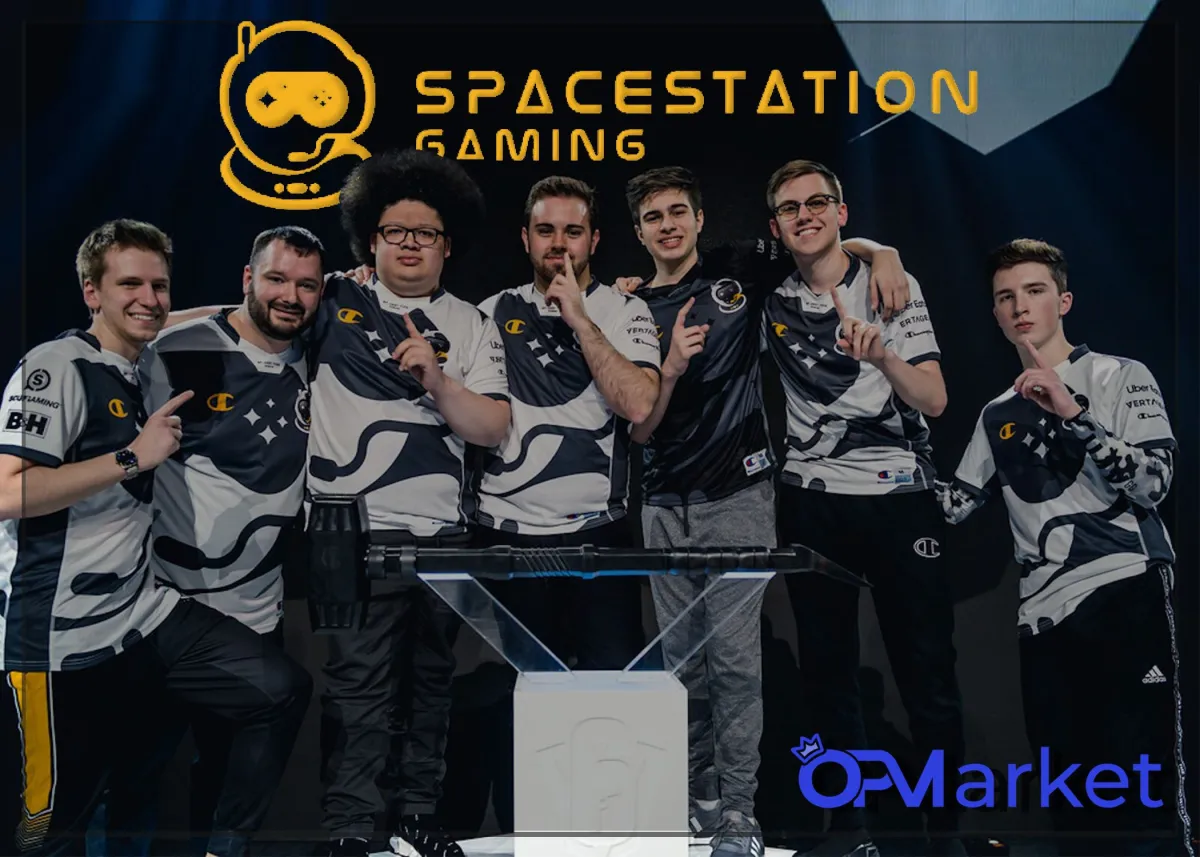 Photo: Spacestation Gaming, via cdn.sanity.io
The difference between a save and a goal at the highest level often comes down to input precision measured in milliseconds. And that precision starts with deadzone configuration.
Reactive vs. Anticipatory: The Config Philosophy Split
There's a fundamental divide in how top-tier goalkeepers approach their settings. Cloud9's players lean heavily into what pros call "reactive configs"—extremely tight deadzones (0.05-0.08) paired with high aerial sensitivity that allows for instant directional changes when a shot surprises them.
 Photo: Cloud9, via cloud9.gg
On the flip side, Spacestation's approach favors "anticipatory configs" with slightly larger deadzones (0.10-0.15) but more granular control zones. This setup sacrifices some raw reaction speed for better positional micro-adjustments during the read phase.
The choice isn't arbitrary. Reactive configs excel when you're facing unpredictable offensive players who change shot angles at the last second. Anticipatory configs dominate against methodical teams that telegraph their shots but execute them with pinpoint accuracy.
The Save-Specific Sensitivity Map
What most players don't realize is that elite goalkeepers don't use universal sensitivity settings. They're running what amounts to position-specific configs optimized for defensive scenarios.
For aerial saves specifically, the sweet spot appears to be aerial sensitivity between 1.20-1.40, significantly lower than the 1.50+ settings many offensive players prefer. This slower aerial response gives goalkeepers better control during the crucial "commitment phase" of a save—that moment when you're flying toward the ball and need to make micro-adjustments based on the shooter's final touch.
Steering sensitivity, meanwhile, stays aggressive (1.80-2.20) to enable rapid ground positioning adjustments. The logic is simple: goalkeepers need to move fast on the ground to get into position, then move precisely in the air to make the save.
Input Lag Is Your Enemy
Here's where the technical details get crucial. Elite RLCS goalkeepers are obsessively focused on eliminating input lag because defensive reactions operate on tighter timing windows than offensive plays.
Most top goalies are running wired controllers exclusively, even when wireless would be more comfortable. They're also using "dodge deadzone" settings (the separate deadzone for flip cancels) that are significantly tighter than their movement deadzones—typically 0.30-0.50 compared to their 0.08-0.15 movement settings.
This creates a controller setup where small stick movements provide precise positioning adjustments, but the flip cancel threshold requires a more deliberate input. The result? Fewer accidental flips during crucial save attempts.
The Training Translation Problem
One major insight from analyzing goalkeeper configs is how poorly standard training packs translate to real save scenarios. Most save training focuses on reaction time, but elite goalkeepers spend their practice time in custom scenarios designed around their specific config strengths.
Reactive config players drill rapid aerial direction changes using packs with late-breaking shots. Anticipatory config players focus on positional training that emphasizes reading the play earlier and making smaller, more precise adjustments.
Building Your Defensive Config
If you want to improve your save percentage, start by identifying whether you're naturally a reactive or anticipatory defender. Reactive defenders should experiment with tighter deadzones and practice rapid aerial direction changes. Anticipatory defenders benefit from slightly looser deadzones but need to drill positional awareness.
The key insight from RLCS 2025's best goalkeepers is that save mechanics aren't just about reflexes—they're about building a controller setup that amplifies your natural defensive instincts while minimizing the input lag that kills clutch saves.
Your offensive config and your defensive config don't have to be the same. The best goalkeepers know this, and it's why they're making saves that look impossible to everyone else.