Contact Physics: How Elite Players Rewire Their Controllers for Demolition Precision in High-Stakes RLCS 2025 Matches

The Demolition Meta Revolution
While most players obsess over their flip reset configs and aerial sensitivity curves, a quiet revolution has been brewing in the RLCS 2025 scene. Elite players like Vatira and Chronic aren't just adjusting their settings for mechanical ceiling shots—they're fine-tuning their entire controller setup around contact physics.
 Photo: Chronic, via parade.com
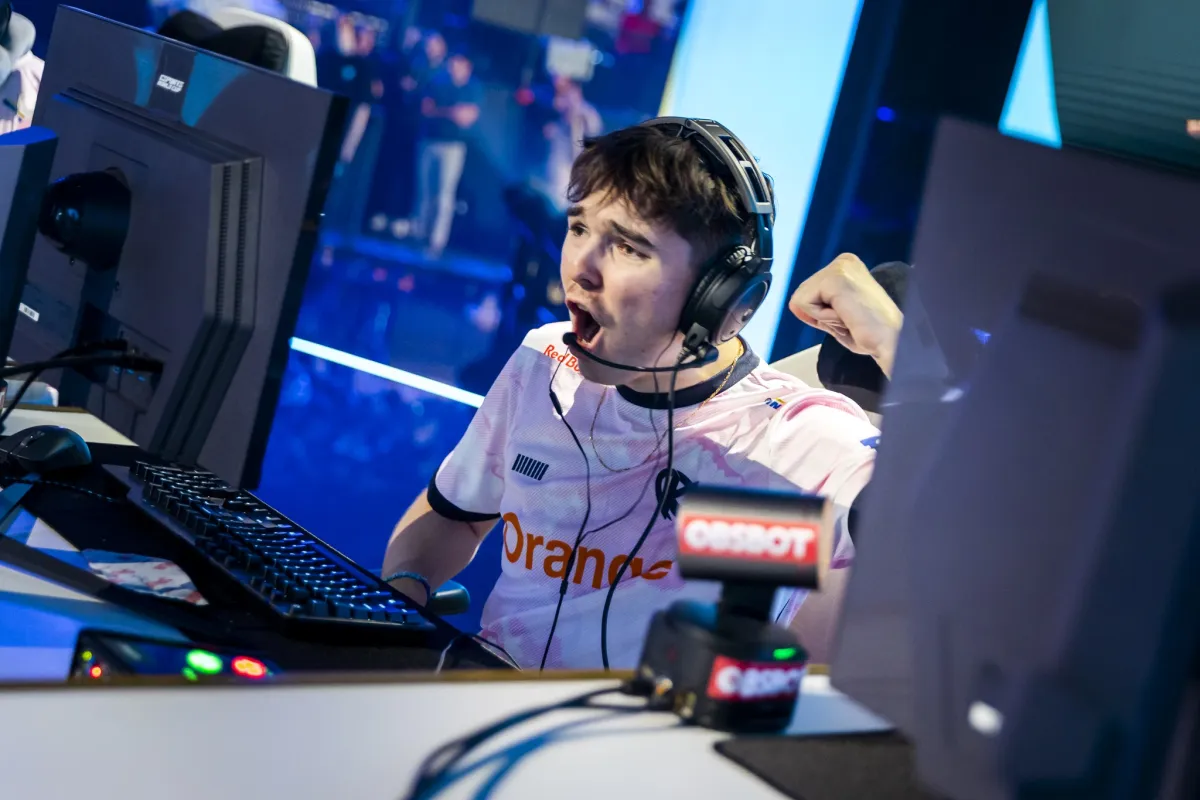 Photo: Vatira, via liquipedia.net
This shift represents a fundamental understanding that modern Rocket League isn't won purely through mechanical prowess, but through intelligent physical disruption. And that disruption requires a completely different approach to controller configuration than what most players consider.
Camera Distance: The Demo Player's Secret Weapon
Traditional wisdom suggests keeping camera distance between 260-280 for optimal ball control. Demo-focused players have discovered something different entirely.
Vatira runs his camera at 290 during crucial playoff matches—not for better ball reads, but for superior opponent tracking. At this distance, he can simultaneously monitor the player he's targeting for demolition while maintaining awareness of teammates positioning for the follow-up play.
The physics are straightforward: successful demolitions require reading opponent movement patterns 2-3 seconds before impact. Standard camera distances optimize for ball prediction, not player prediction. Elite demo players have recognized this fundamental conflict and adjusted accordingly.
Chronic takes this concept even further, switching between two distinct camera configs mid-match using controller mapping. His "hunt mode" configuration extends camera distance to 300 and reduces camera stiffness to 0.3, creating a wider field of view that makes tracking multiple opponents significantly easier during coordinated bump plays.
Deadzone Precision for High-Speed Interceptions
Most players configure their deadzones for consistent aerial control. Demo specialists configure theirs for instantaneous directional changes at supersonic speeds.
The difference is crucial. Standard deadzone settings (0.1-0.15) provide smooth, predictable inputs perfect for aerial maneuvers. But demo plays require explosive directional changes—often while maintaining maximum speed. This demands tighter deadzone tolerances, typically 0.05-0.08.
Why? At supersonic speeds, the window for successful demolition adjustments shrinks to milliseconds. Traditional deadzone settings introduce micro-delays that can mean the difference between a game-changing demo and a whiffed opportunity that leaves your team in a 2v3 situation.
Elite players like jstn have adopted what they call "contact deadzones"—configurations specifically designed for high-speed opponent interception rather than ball control finesse.
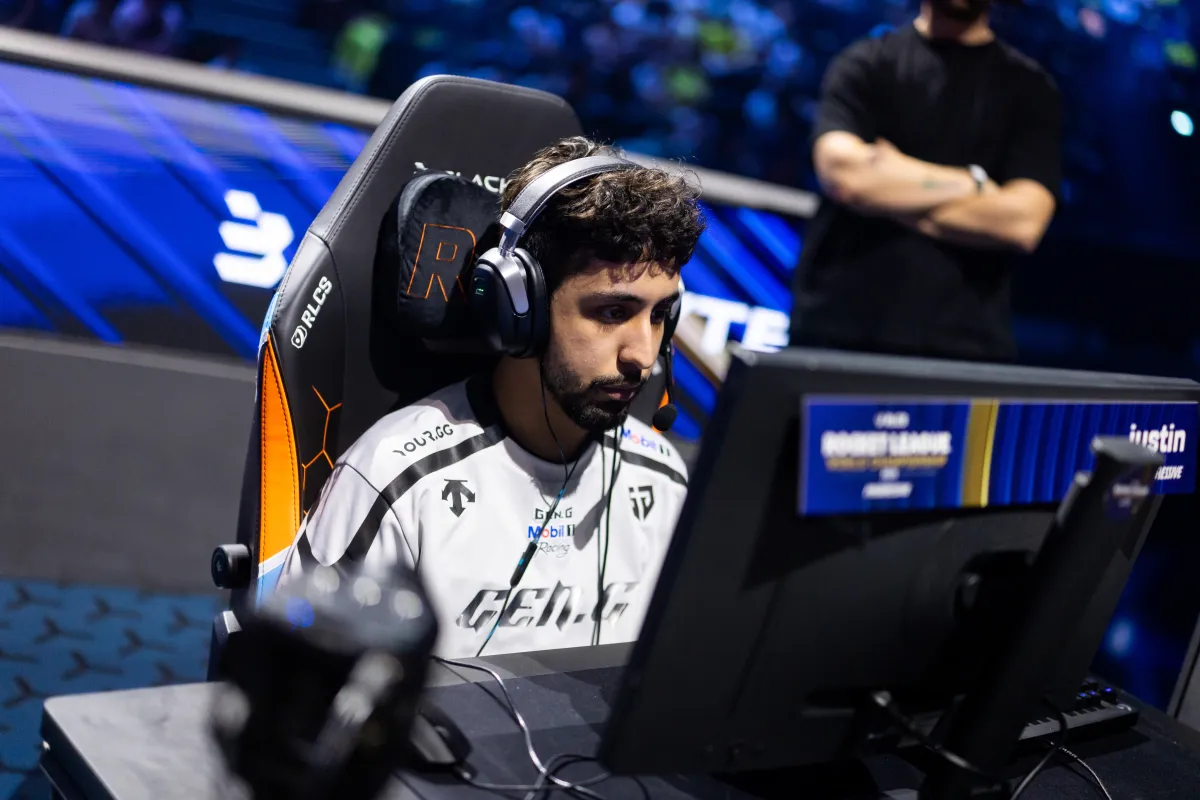 Photo: jstn, via liquipedia.net
Controller Sensitivity: The Bump Read Advantage
Here's where demo configs diverge most dramatically from traditional setups. While mechanical players often prefer lower sensitivities (1.2-1.4) for precise aerial control, demo specialists run significantly higher sensitivities (1.6-1.9) specifically for rapid target acquisition.
The logic is counterintuitive but sound. Successful bump plays require reading and reacting to opponent movement faster than they can adjust. Higher sensitivity settings enable quicker camera panning and more responsive directional changes during pursuit phases.
Vatira's playoff configuration runs steering sensitivity at 1.8—nearly 30% higher than his standard mechanical config. This allows him to track opponents through rapid direction changes while maintaining the car control necessary for precise impact timing.
The Boost Management Paradox
Demo-focused configs also require rethinking boost consumption patterns. Traditional mechanical play emphasizes boost conservation for extended aerial sequences. Demo play demands burst boost usage for rapid acceleration and sudden directional changes.
This has led some pros to experiment with boost button remapping. Instead of traditional thumb-based boost control, players like Chronic have moved boost to trigger fingers, enabling more precise burst control during high-speed pursuit scenarios.
The result? More consistent boost timing during demo attempts, and better boost conservation between aggressive plays.
Playoff Pressure and Config Discipline
What makes these configurations particularly relevant for RLCS 2025 is their effectiveness under playoff pressure. When mechanical execution becomes inconsistent due to nerves, physical disruption remains reliable.
Demo configs represent a form of playoff insurance—settings optimized for plays that don't require perfect timing or complex mechanical execution, but still create significant strategic advantages.
Elite teams have recognized this. G2's recent playoff runs have featured increasingly aggressive bump strategies, supported by config adjustments that prioritize opponent disruption over traditional mechanical highlights.
Building Your Own Demo Configuration
For players looking to incorporate these concepts, the transition requires patience. Demo configs feel uncomfortable initially because they prioritize different types of precision than traditional setups.
Start with camera distance adjustments during casual matches. Experiment with extending your camera distance by 10-15 units and reducing stiffness slightly. Focus on tracking opponent movement patterns rather than ball control during these sessions.
Once comfortable with extended camera distance, experiment with tighter deadzones and higher sensitivity settings. The goal isn't perfect aerial control—it's rapid, decisive movement during contact situations.
Remember: these aren't replacement configs. They're specialized tools for specific strategic situations. The best demo players switch between configurations based on match context and strategic requirements.
The Future of Contact Physics
As RLCS 2025 playoffs intensify, expect to see more teams adopting demo-focused strategies supported by specialized configurations. The mechanical ceiling in Rocket League continues rising, but the strategic ceiling for physical disruption remains largely unexplored.
Elite players have recognized that while everyone can practice flip resets, few players optimize their settings for consistent demolition execution under pressure. That asymmetry represents a significant competitive advantage for teams willing to embrace contact physics as a legitimate strategic discipline.